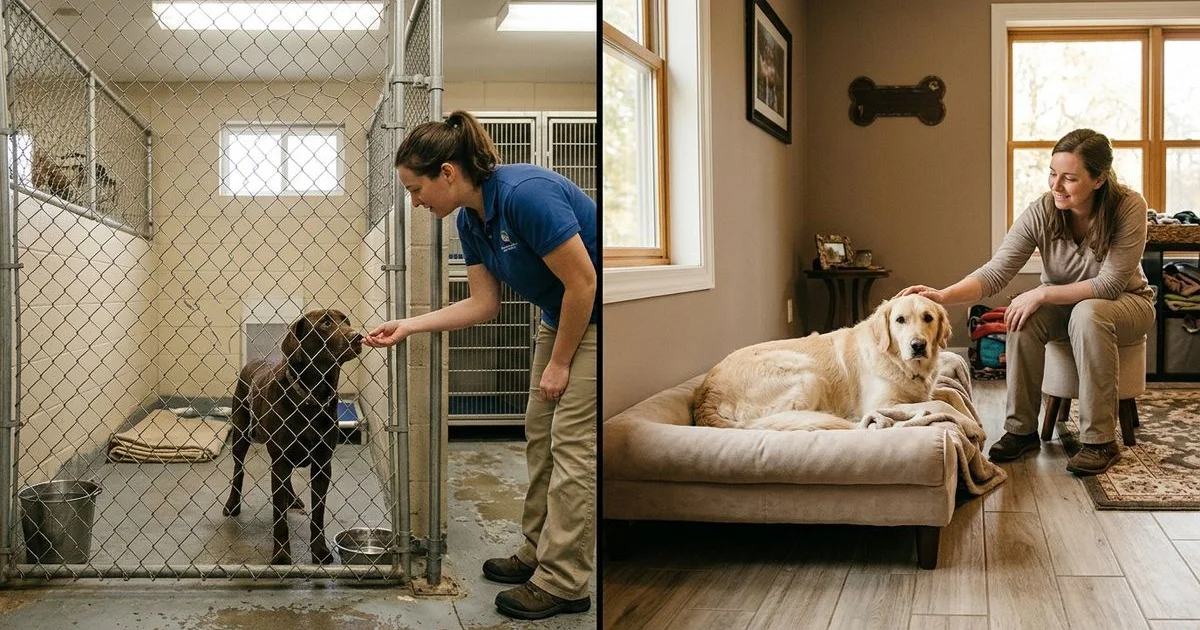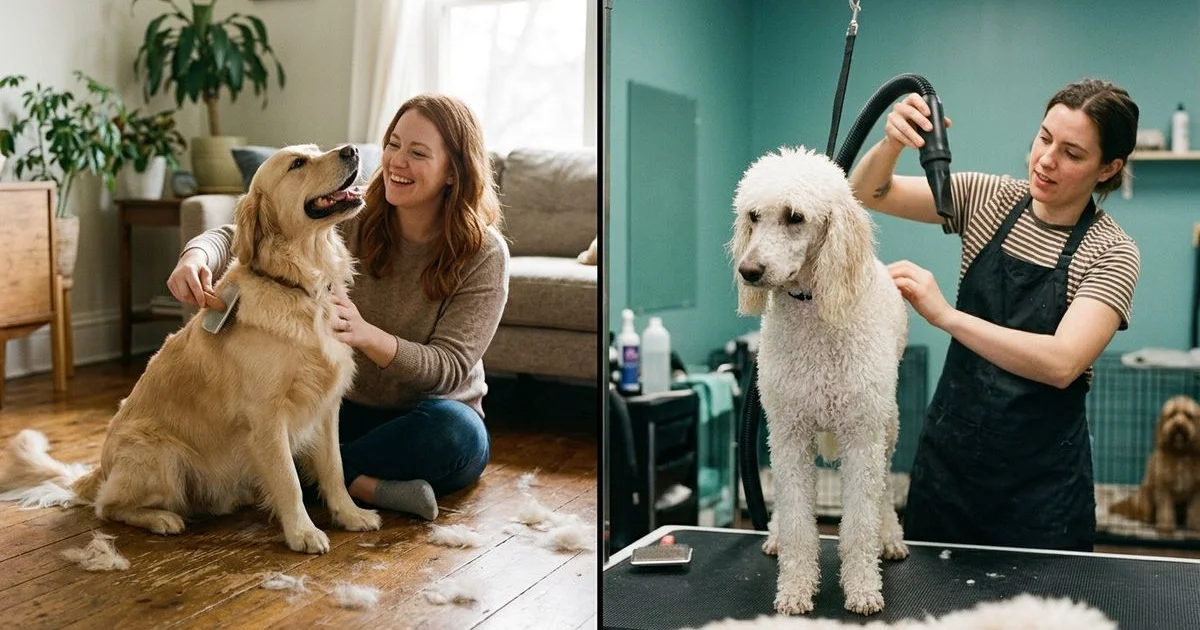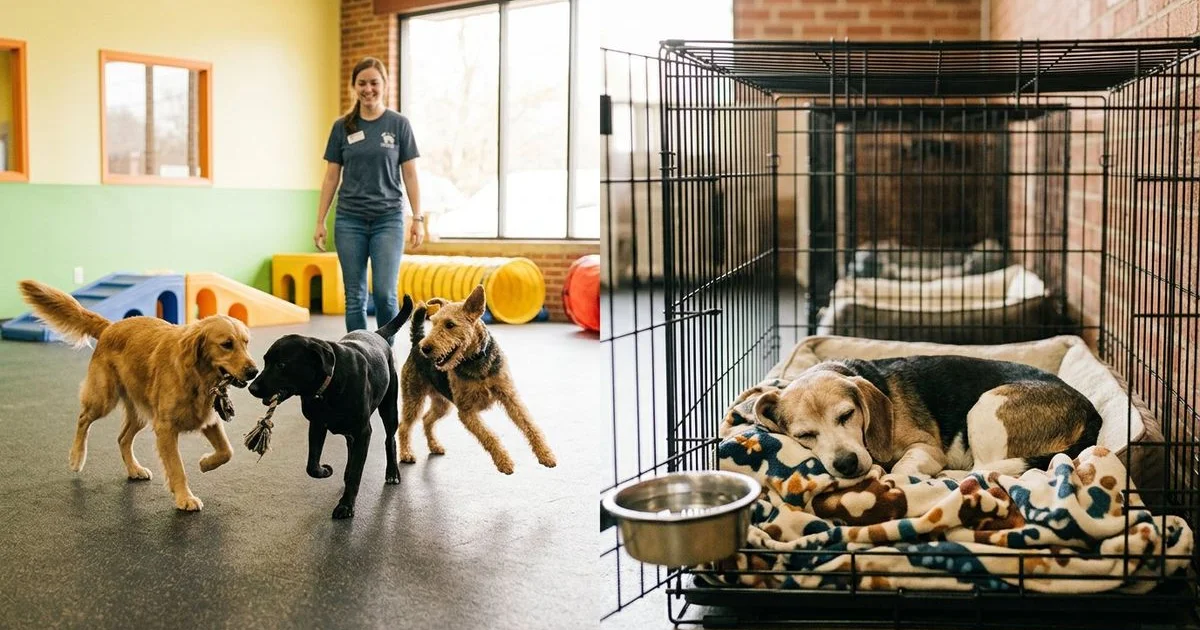
We know that a 12-hour medical rotation at Duke Health or WakeMed rarely ends exactly on time. Commutes and chart updates quickly turn that shift into a 14-hour absence from home.
This reality makes pet parenthood feel like a second full-time job.
Our team founded Dog Daycare Durham to solve two major problems for shift workers.
- Bridging the massive 14-hour care gap
- Providing safe, structured enrichment
The American Kennel Club’s 2026 guidelines confirm that healthy adult dogs should only be left alone for six to eight hours maximum.
We hear this frustration from medical staff every single day.
Let us look at the data behind the Dog Daycare vs. Pet Sitter debate and explore practical ways to keep your dog happy while you save lives.
The Case for Dog Daycare
Structured Socialization
Our structured socialization program provides something a home visit simply cannot replicate. Dogs thrive on continuous, monitored interaction with their peers.
Recent 2026 data from the American Pet Products Association shows that 68 million US households now own dogs. Canine social skills are highly necessary in modern society.
We group dogs carefully using three main criteria to ensure safe interactions.
- Physical size and strength
- Individual temperament
- Play style preferences
High-energy breeds require this sustained physical and mental workout to prevent destructive boredom at home.
A 2025 study in the Journal of Veterinary Behavior revealed that 85.9 percent of dogs exhibit moderate to severe separation or attachment issues.
Our certified counselors engage your dog through activities like puzzle toys and agility games. Unsupervised playgroups at dog parks often lead to resource guarding or overstimulation.
A 2025 SATELLAI survey found that 61 percent of pet parents consider separation anxiety their primary behavioral concern.
We provide consistent peer play to help alleviate this deep-seated stress.

Professional Oversight
We employ a highly trained staff to maintain a safe, controlled environment. Professional supervision is the defining difference between a structured facility and casual care.
Our team holds essential credentials to handle any situation.
- American Red Cross Pet First Aid and CPR training
- PACCC (Professional Animal Care Certification Council) designations
- Over 15 years of collective breed-handling experience
- Strict adherence to the 1:10 staff-to-dog safety ratio
Independent sitters vary widely in their qualifications, leaving you guessing about their emergency preparedness.
We strictly adhere to the International Boarding and Pet Services Association safety guidelines.
“A low staff-to-dog ratio is the single most important factor in preventing behavioral incidents during group play.”
These professionals monitor play sessions continuously to intervene before small issues escalate.
Our facility features 24/7 webcams so you can check in on your dog during your break. That visual confirmation is priceless when you are halfway through a long shift and wondering if your dog is safe.
Extended Hours Built for Shift Workers
We built our operational hours specifically for Durham’s medical workforce. Demanding healthcare schedules rarely fit standard business times.
Our facility doors open at 6:30 AM and stay open until 7:30 PM to accommodate these long rotations. A standard 7 AM to 7 PM shift fits perfectly within this window, allowing easy drop-offs and pick-ups.
Our flexible system offers distinct scheduling benefits.
- Early 6:30 AM drop-offs
- Late 7:30 PM pick-ups
- No severe dollar-per-minute penalty fees
Many competing daycares enforce strict closing times that cause unnecessary stress.
We designed this schedule to prevent that extra financial burden. Independent sitters often charge premium overnight rates for early morning or late evening visits.
The Case for Pet Sitters
Home Environment
We recognize that some dogs simply thrive better in their own familiar environment. Senior dogs, anxious pets, or those recovering from medical procedures often need the quiet comfort of their own beds.
Our veterinary colleagues note that staying home keeps canine cortisol levels much lower for highly sensitive animals. A visiting pet sitter helps your dog maintain a normal, quiet routine.
“For senior or medically fragile dogs, the familiar sights and smells of their own home provide essential comfort that a facility cannot replicate.”
We agree that avoiding the high sensory input of a busy facility is sometimes the smartest choice.
Flexibility for Odd Schedules
Our team knows healthcare workers frequently face overnight shifts or rotating schedules that change weekly. Independent pet sitters can adapt to these irregular hours much easier than a building with set operational times.
We suggest utilizing popular platforms like Rover or Wag! for extreme late-night needs.
These independent platforms excel at covering specific gaps.
- Drop-in visits at 10 PM
- Weekend overnight coverage
- Rotating weekly hours
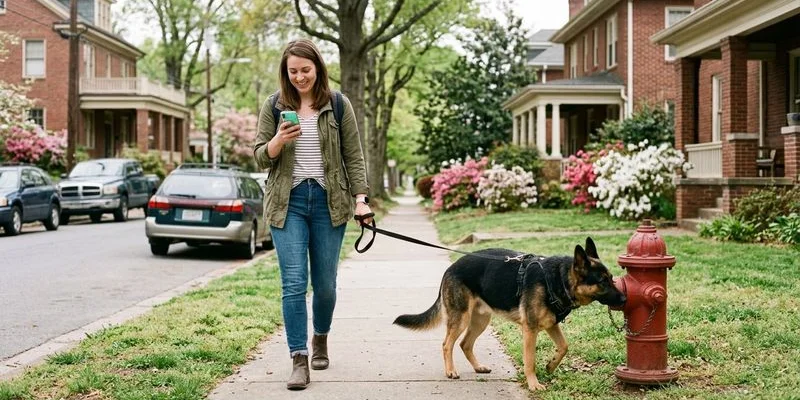
Our staff recognizes that standard daytime care simply cannot cover a 7 PM to 7 AM night shift. An in-home caregiver fills this precise gap perfectly.
Multiple Pets
We regularly speak with clients managing large, diverse animal families. The 2025 APPA State of the Industry report notes that 70 percent of Gen Z pet owners have two or more animals.
Our facility pricing structure requires separate tuition for each dog. A pet sitter visiting your house can care for dogs, cats, and birds all in one trip.
We acknowledge that paying individual boarding fees for three dogs quickly becomes expensive. Household flat rates from a sitter often make more financial sense for large furry families.
“For households juggling multiple species, the flat-rate model of an in-home sitter provides unmatched economical value.”
Our clients often save money because most independent contractors only add a nominal five-dollar fee per additional pet. This consolidated approach is incredibly efficient.
Cost Comparison for Durham Shift Workers
We closely monitor pet care prices across the country to remain competitive. A 2026 Thumbtack industry analysis shows that the average drop-in sitter charges between 27 and 30 dollars per hour.
Our experience shows that a 12-hour absence requires at least three home visits to prevent bladder issues. This schedule pushes your daily sitter cost to roughly 81 to 90 dollars.
| Care Option | 2026 US Average Cost | Cost for 12-Hour Shift | Best Fit For |
|---|---|---|---|
| Drop-in Pet Sitter | $27 to $30 per visit | $81 to $90 (3 visits) | Multiple pets, odd hours |
| Dog Daycare | $42 national average | $25 to $55 (Flat rate) | High-energy dogs, routine shifts |
Our all-inclusive facility pricing typically averages between 25 and 55 dollars per day, depending on the chosen package. The 2026 national average for a full day of facility care sits around 42 dollars.
We provide a detailed breakdown of daycare costs in Durham to help you plan your budget. Check out that comprehensive pricing guide for more specific figures.
Dog Daycare vs. Pet Sitter: Which Is Best for Long Shift Workers?
We find the data heavily favors a structured facility for the average long-shift professional. A 2025 Vetster survey highlighted that 54 percent of pet parents notice their animals experience separation anxiety during long workdays.
Our environment directly combats this isolation through consistent peer engagement. A 12-hour medical shift easily stretches into a 14-hour absence, making solitary home care unsustainable.
We designed our program to offer clear advantages over neighborhood walkers.
- Routine consistency: Dogs thrive on predictable schedules. A facility provides the same caregivers and environment daily, eliminating the stress of last-minute sitter cancellations.
- Unmatched socialization: A quick neighborhood walk cannot replicate the complex social learning that happens in a supervised group setting.
- Economical coverage: A flat daily rate easily beats paying for three separate 30-minute home visits during a single 12-hour shift.
- Professional safety: Certified counselors trained in canine behavior and first aid manage the playgroups, ensuring a safer experience than a stranger’s living room.
“Working long hours means your dog spends a huge portion of the day alone. A quality facility turns that lonely time into an active, healthy social experience.”

Our priority is sending home a happily exhausted pet. Physical and mental stimulation guarantees a peaceful evening for you both.
The Hybrid Approach
We see many medical professionals find success by mixing both care styles. Enrolling your pup in dog daycare covers the standard long shifts, while a local sitter fills in the gaps for unexpected overtime.
Our team highly recommends utilizing a blended schedule to maximize mental enrichment. A hybrid schedule provides specific advantages for medical staff.
- High-energy play on facility days
- Quiet rest on home days
- Adaptability for unexpected overtime
We proudly offer our Duke PERQS partnership, giving university and health system employees access to special rates that make this hybrid method highly affordable. Sudden schedule changes happen often in healthcare.
We also offer luxury boarding services that seamlessly transition from daytime play to a comfortable overnight stay. This flexibility ensures your dog is never left waiting in the dark.
Conclusion
We know that finding the right balance between a demanding career and pet parenthood takes trial and error. The final decision of Dog Daycare vs. Pet Sitter: Which Is Best for Long Shift Workers? comes down to your dog’s energy levels and your specific schedule.
Our primary goal is to help every dog in the Triangle feel happy, safe, and stimulated. Contact the facility today to schedule a temperament test and see if a structured play environment is the perfect fit for your furry best friend.
Want the Best Care for Your Dog?
Schedule a free Interview Day and see why Durham pet parents trust our certified counselors.
Schedule Free Interview Day