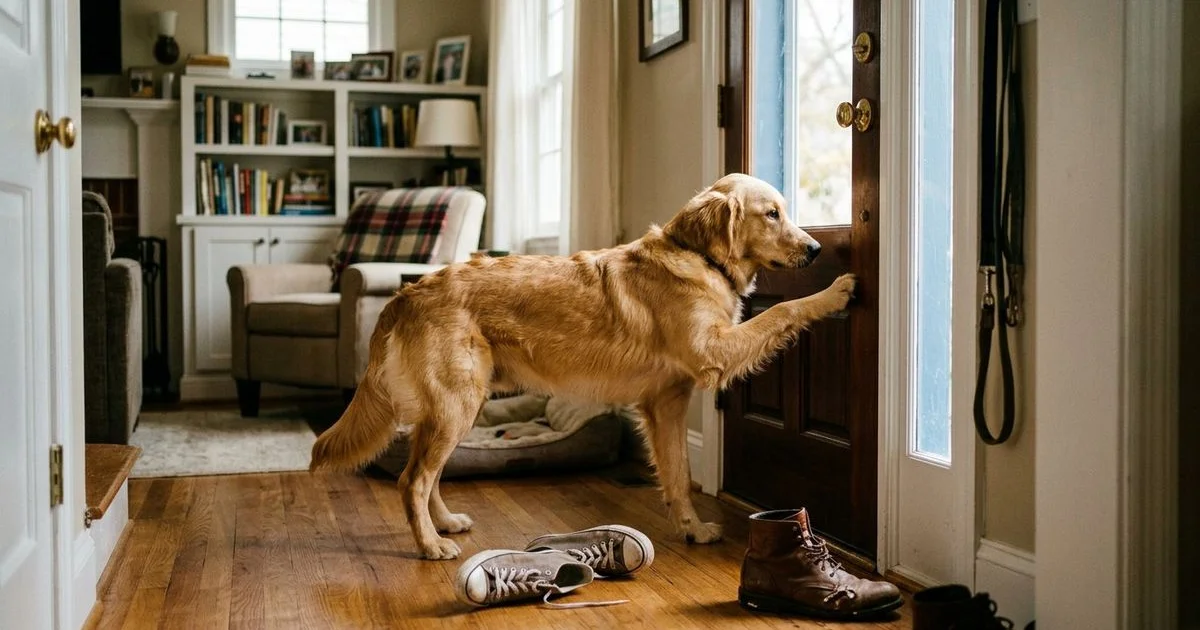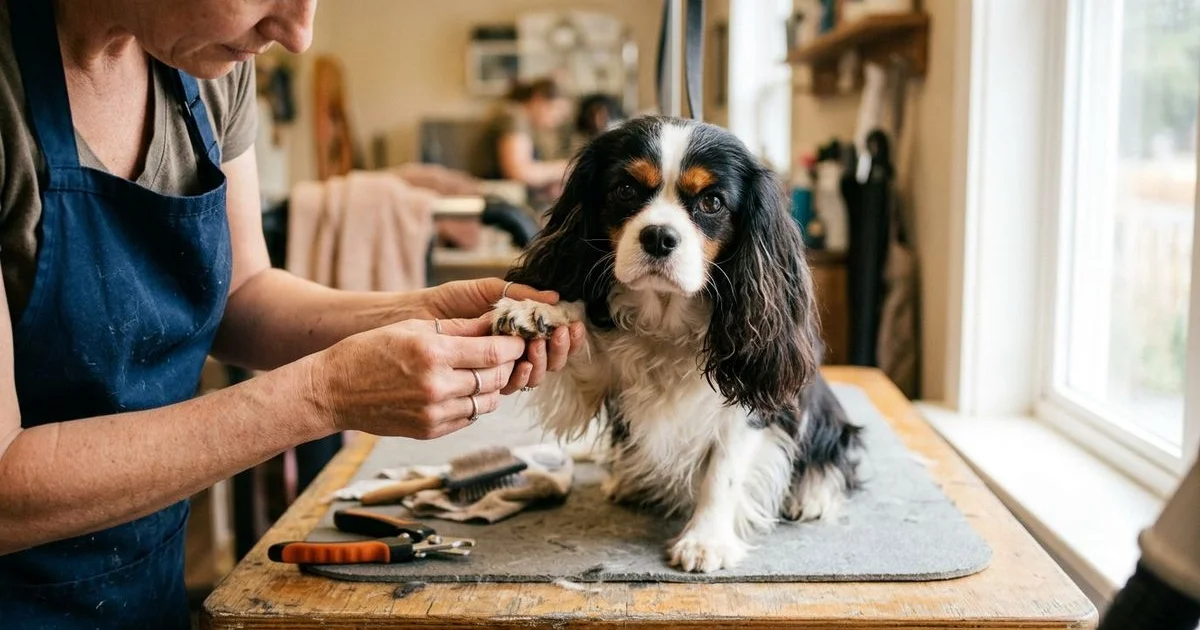
We notice it constantly with busy professionals and medical staff coming through our doors here in Durham, NC. Mastering dog nail trimming: how to tell when your dog needs a cut often falls to the bottom of the priority list after a chaotic workweek.
Our certified counselors at Dog Daycare Durham regularly witness the physical consequences of this common delay.
Recent 2026 veterinary data reveals that overgrown nails rank as the third most frequent health issue in dogs, affecting roughly 7.1 percent of the canine population. We understand exactly why 42 percent of owners feel anxious about accidentally hurting their pets during a trim. The fear of causing pain is completely valid, so let’s break down the biomechanical impact of long nails and walk through the exact steps for stress-free maintenance.
Why Nail Length Matters More Than You Think
Canine nails serve a vital biomechanical purpose for traction, digging, and balance during sudden turns. Healthy claws grow faster than many owners realize, typically averaging two to three millimeters per month.
We monitor these growth rates closely during every visit. A recent 2026 study published in Frontiers in Veterinary Science highlights that excessively long nails alter a dog’s natural gait and reduce shock absorption.
The study notes that overgrown claws shift the focus from a simple cosmetic issue to a serious biomechanical hindrance that causes long-term damage.
Our team often explains the impact of long nails by comparing it to walking in shoes that are two sizes too small. This constant pressure forces the toe joints into unnatural, splayed positions with every single step. Every movement becomes uncomfortable, prompting the body to compensate in harmful ways.
Over time, this toe misalignment travels upward through the legs. We see the resulting strain severely impact posture and exacerbate joint diseases like osteoarthritis in senior dogs.
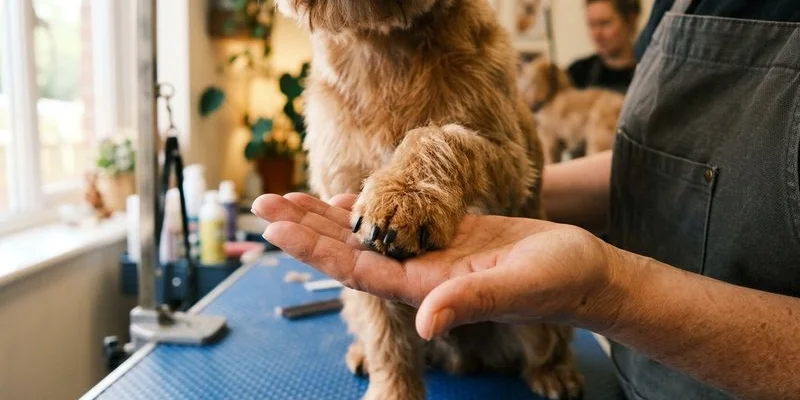
Dog Nail Trimming: How to Tell When Your Dog Needs a Trim
Many busy professionals struggle to determine the exact right time for a maintenance session. Finding the ideal schedule requires looking at a few clear physical signs.
Our team looks for these precise indicators during every check-in at our Durham facility.
- The Click Test: If you can hear a distinct clicking sound on hardwood or laminate floors, the nails have grown too long. Properly maintained claws should never make contact with the floor when a dog stands squarely on a flat surface.
- The Paper Slide: Try sliding a standard piece of paper under the nail while your pup is standing. Resistance or an inability to pass the paper underneath means a trim is overdue.
- Splayed Toes: Excess length causes the toes to spread apart unnaturally. Paws that look wider than usual or fan out prominently often point to overgrown claws.
- Dewclaw Overgrowth: Do not forget to check the dewclaws located higher up on the inner leg. Since these higher nails never touch the ground to wear down naturally, they are highly prone to curling back and puncturing the skin.
- Difficulty Walking: Dogs in pain will actively change their gait. Reluctance to go on a regular walk around the American Tobacco Trail or Duke Forest often indicates paw discomfort.
How Often Should You Trim?
The general veterinary guideline is to schedule a session every three to four weeks. This schedule shifts dramatically based on a dog’s specific lifestyle, genetics, and environment.
We find that pups spending their days on concrete or pavement naturally file their claws down much faster. Indoor dogs or those primarily walking on soft grass require far more frequent attention to prevent overgrowth.
Puppies and senior dogs represent two distinct exceptions to the standard monthly rule. Young dogs experience rapid biological growth, while older dogs lack the natural friction from vigorous exercise.
| Dog Profile | Average Trim Frequency | Primary Factor |
|---|---|---|
| Highly Active (Pavement/Trails) | Every 4 to 6 weeks | High natural friction |
| Indoor/Sedentary Dogs | Every 2 to 3 weeks | Minimal natural wear |
| Puppies (Under 1 year) | Every 1 to 2 weeks | Rapid biological growth |
| Senior Dogs | Every 2 to 3 weeks | Reduced mobility and activity |
Our structured play and enrichment activities at Dog Daycare Durham expose dogs to a variety of surfaces. This environmental mix certainly helps with natural wear, but it rarely eliminates the need for a dedicated grooming routine.
The Quick: Why Trimming Gets Harder Over Time
Inside the center of every canine claw lives a sensitive blood vessel and nerve bundle known as the quick. Consistent maintenance keeps this living tissue short and encourages it to recede further into the nail bed.
We want to emphasize that neglecting the paws allows the quick to grow longer alongside the hard keratin shell. This elongation makes it incredibly difficult to achieve a short cut later without causing sharp pain or bleeding.
Taking a gradual approach is the safest method if a pup’s paws have been neglected. Our grooming staff advises trimming off just one millimeter every seven to ten days to encourage the internal vessel to retreat. Patience is absolutely critical during this rehabilitation phase.

At-Home Trimming Tips
Handling a pet’s paws requires the right equipment and a calm environment. Keep these practical guidelines in mind before starting a session at home.
- Upgrade your tools: Ditch the cheap, dull clippers. For large breeds, heavy-duty plier styles like the Millers Forge nail clipper provide clean cuts without crushing the claw. Small dogs do very well with guillotine-style trimmers.
- Consider a grinder: The Dremel PawControl series remains a popular rotary tool option in the US. Grinders file the edge down smoothly and are fantastic for dogs terrified of the traditional clipping pinch.
- Angle the cut: Always trim at a 45-degree angle pointing away from the paw pad.
- Watch the center: Go incredibly slow with dark nails. Look closely at the cut surface for a chalky white ring or a small dark dot in the center, which signals you are right next to the quick.
- Stock styptic powder: Accidents happen to the best groomers. Having a 0.5-ounce jar of Kwik Stop styptic powder (which costs about 9 dollars at most US retailers) open and ready is essential. The active ingredient, Ferric Subsulfate, instantly stops bleeding if you nick the vessel, while Benzocaine blocks the pain.
When to Leave It to the Professionals
Some pets simply will not tolerate paw handling at home. Outsourcing this task is a perfectly valid and responsible choice. We track 2026 grooming cost surveys across the US, which show the average price for a professional nail trim ranges from 10 to 25 dollars at a standard salon.
Mobile groomers typically charge between 15 and 25 dollars for the same service. This small investment is well worth the peace of mind for busy medical staff or vacationing pet parents. Fear, anxiety, and bad memories turn a simple hygiene task into a stressful battle for everyone involved.
Our boutique grooming spa at Dog Daycare Durham handles this exact service as part of a comprehensive care approach. Trained professionals know exactly how to safely restrain wiggly pups while applying positive reinforcement. We highly recommend checking out our specific guide on grooming tips for anxious dogs if your dog struggles with severe handling fear.
Health Problems Linked to Overgrown Nails
Ignoring paw hygiene leads to painful and expensive veterinary visits. Chronically overgrown claws directly contribute to several severe issues.
- Ingrown nails: The claw curls back and punctures the paw pad, leading to severe bacterial infections.
- Torn cuticles: Long nails easily snag on carpet loops or outdoor roots, tearing the keratin shell off the quick. Treating a badly torn nail at a US vet clinic often requires sedation and bandaging.
- Osteoarthritis acceleration: Compensatory gait changes place excessive, unnatural wear on the joints.
- Reduced mobility: Senior dogs already fighting joint stiffness lose crucial traction on hardwood floors, increasing slip-and-fall injuries.
Keep Your Dog Comfortable Year-Round
Mastering dog nail trimming: how to tell when your dog is due for a cut is one of the easiest ways to protect their orthopedic health.
Consistency remains the most important factor for long-term comfort. We encourage owners to stay proactive, whether you file claws down on your living room floor or drop by our facility at 600 Park Offices Drive in Durham.
Proper hygiene is just one piece of the puzzle at our local facility. Call us at 919-617-0849 to schedule a quick session or learn more about our daycare services.
Want the Best Care for Your Dog?
Schedule a free Interview Day and see why Durham pet parents trust our certified counselors.
Schedule Free Interview Day