You know how quickly a sunny afternoon can turn into a sweltering ordeal here in the Triangle. Working long shifts at Duke Hospital or commuting across town leaves little energy for walking the dog during the coolest parts of the day. Heat Safety for Dogs in Durham requires serious planning when summer hits.
Our facility, Dog Daycare Durham, was founded on a simple premise: dogs need more than just a place to stay while their owners work; they need safe, structured enrichment.
The data shows Durham averages 38 days over 90 degrees annually, often paired with 70 percent humidity. That combination completely shuts down a dog’s natural ability to cool off.
We are going to break down the mechanics of canine overheating and share the exact protocols our staff uses. You will learn the warning signs and discover actionable ways to keep your pet safe.
How Dogs Overheat
Understanding the mechanics of canine overheating helps you appreciate why it happens so quickly. Dogs cool themselves through three main mechanisms, which become strained under specific weather conditions.
- Panting: Evaporates moisture from the tongue and respiratory tract to dissipate heat. This is the primary cooling method but becomes completely ineffective when the air is saturated with heavy moisture.
- Vasodilation: Blood vessels near the skin’s surface expand to release heat. This explains why dogs with thin coats on their bellies actively seek cool tile floors to lie on.
- Sweating through paw pads: Dogs have a small number of sweat glands in their feet, but these contribute very little to overall cooling.
Our local climate makes these mechanisms highly inefficient. Durham sits in the American Horticultural Society’s Heat Zone 7, meaning the region experiences dozens of days with extreme temperatures. When the environment overwhelms a dog’s natural defenses, their core body temperature rapidly rises.
A normal canine temperature ranges from 101 to 102.5 degrees Fahrenheit. Heat exhaustion begins at exactly 104 degrees. Organ damage starts occurring at 106 degrees and above, making the situation immediately life-threatening.
Dogs at Higher Risk
While every dog is vulnerable to heat illness, certain profiles face drastically elevated risk. These pets need extra vigilance during Durham summers.
| Risk Factor | Examples & Breeds | Why They Struggle |
|---|---|---|
| Compressed Airways | Bulldogs, Pugs, Boxers | Panting is physically less efficient due to facial structure. |
| Heavy Insulation | Huskies, Bernese Mountain Dogs | Thick double coats trap body heat during physical activity. |
| Age & Health | Puppies, Seniors, Heart Conditions | Thermoregulation systems are underdeveloped or compromised. |
| Excess Weight | Overweight dogs of any breed | Body fat acts as an internal insulating layer against cooling. |
Brachycephalic Breeds
Flat-faced breeds like Bulldogs, Pugs, Boston Terriers, Boxers, and Shih Tzus have compressed airways that make panting much less efficient. These specific breeds can overheat even in moderately warm temperatures that other dogs handle without difficulty.
Senior Dogs and Puppies
Older dogs and very young puppies have less efficient thermoregulation systems. Senior dogs may also have underlying heart or respiratory conditions that heavily compound heat stress.
“Young puppies and senior dogs account for a disproportionate number of summer veterinary visits, as their bodies simply cannot regulate heat efficiently.”
Our puppy daycare program takes extra precautions with young dogs during hot weather.
Overweight Dogs
Excess body fat acts as internal insulation, trapping heat deep inside the body. Overweight dogs overheat much faster and recover much more slowly than dogs sitting at a healthy weight.
Thick-Coated Breeds
Several popular breeds carry built-in insulation that makes summer heat especially challenging. Local favorites that struggle the most include:
- Siberian Huskies
- Alaskan Malamutes
- Bernese Mountain Dogs
- Great Pyrenees
Their double coats provide some protection from the direct sun, but these dogs overheat much more quickly during extended physical activity.
Dogs With Dark Coats
Dark fur absorbs significantly more heat from direct sunlight than light-colored coats. A black Labrador lying in the sun will heat up to dangerous levels significantly faster than a yellow Lab in the exact same conditions.
Warning Signs Every Dog Owner Must Recognize
Heat-related illness progresses through distinct, identifiable stages. Catching the symptoms early at the heat exhaustion stage can prevent a fatal case of heatstroke.
Heat Exhaustion (Act Now)
Intervene immediately if you notice these early warning signs during a walk or outdoor play session:
- Excessive, heavy panting that does not slow with rest
- Thick, ropy saliva
- Bright red tongue and gums
- Wide, anxious eyes
- Seeking shade or cool surfaces
- Slowing down or refusing to move
- Increased heart rate
Heatstroke (Emergency)
Heatstroke requires immediate professional medical intervention. Watch for these severe symptoms:
- Gums turning pale, gray, white, or blue
- Staggering, disorientation, or loss of coordination
- Vomiting or diarrhea (sometimes bloody)
- Glassy, unfocused eyes
- Collapse or inability to stand
- Seizures
- Loss of consciousness
If you see heatstroke symptoms, you face a severe veterinary emergency. Move the dog to a cool area and apply cool water to the neck, armpits, and groin. Transport your pet to the nearest emergency veterinarian immediately, such as Triangle Veterinary Referral Hospital on Morreene Road or BluePearl Pet Hospital on NC Highway 751.
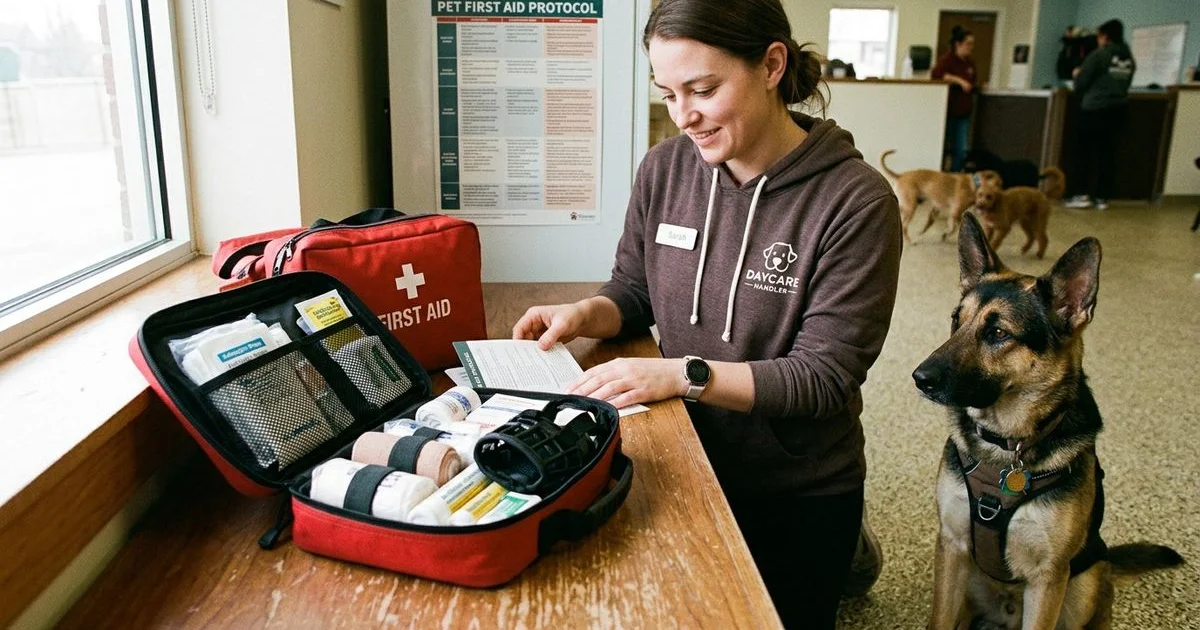
Our team recommends keeping those specific clinic addresses saved directly in your phone. For detailed first aid instructions, read our guide on pet first aid basics.
Summer Safety Rules for Durham Dog Owners
Protecting your dog requires adjusting your daily routine. Apply these practical rules to handle the hottest months safely.
The Pavement Test
Before any walk, place the back of your hand flat on the pavement and hold it there for 7 seconds. If the surface is too hot for your hand, it will definitely burn your dog’s sensitive paw pads.
The Pavement Reality: On a sunny 90-degree day, dark asphalt acts as a heat magnet and can easily reach 140 to 160 degrees Fahrenheit. Severe skin destruction occurs in just 60 seconds at 125 degrees.
During Durham summers, this typically means walking only before 8 AM or after 7 PM. These are the only times of day when hard surfaces have adequately cooled.
Adjust Exercise Intensity
Summer is not the time for long runs or vigorous hikes during daylight hours. Reduce the intensity of outdoor exercise, and watch your dog closely for early signs of overheating. Many dogs will keep playing long past the point of exhaustion because their drive to please you overrides their basic self-preservation instinct.
If you must hike, actively seek out heavy tree canopy. The southern sections of the American Tobacco Trail heading toward Chatham County offer excellent natural shade compared to the highly exposed, paved sections near downtown Durham.
Never Leave a Dog in a Parked Car
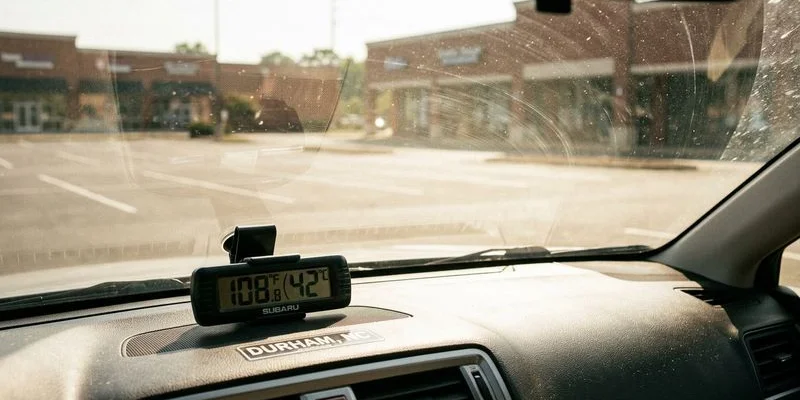
This warning cannot be stated strongly enough. Cracking the windows provides zero meaningful cooling effect for a trapped animal.
- Outside Temperature: 85 degrees
- Inside Car (10 minutes): 104 degrees
- Inside Car (30 minutes): 119 degrees
North Carolina law (N.C.G.S. 14-363.3) does not grant everyday civilians the legal right to break a car window to save an animal. Doing so can leave you legally liable for property damage. If you see a dog trapped in a hot car, you must call 911 or local animal control immediately to dispatch protected emergency responders.
Provide Constant Access to Water
Dogs need significantly more water during hot weather. At home, provide multiple water bowls in shaded areas and refresh them frequently with cool water.
On walks, carry a collapsible bowl and an insulated water bottle. Watch for physical signs of dehydration, which include dry gums, sunken eyes, loss of skin elasticity, and heavy lethargy.
Create Cool Zones
If your dog spends time outdoors, ensure they have access to reliable shade at all times. A kiddie pool filled with a few inches of cool water gives dogs a great place to cool their bellies and feet.
Consider investing in specialized cooling gear:
- Evaporative Vests: The Ruffwear Swamp Cooler uses evaporation to drop your dog’s core temperature. A helpful pro-tip is to soak the vest at home and store it in a sealed plastic bag so it remains perfectly cold when you reach the park.
- Protective Booties: Fitted rubber shoes like WagWellies offer a physical barrier against scorching pavement during necessary midday outings.
Rethink the Summer Haircut
Many pet parents incorrectly assume shaving their double-coated dog will help them stay cool. The truth is quite the opposite. The double coat provides crucial insulation against both heat and cold, and shaving can actually increase the risk of painful sunburn and heatstroke.
A professional deshedding treatment at our boutique grooming spa removes the loose undercoat. This improves essential airflow through the fur without removing its vital protective function.
Why Climate-Controlled Facilities Matter
For working pet parents, summer creates a difficult logistical dilemma. Leaving your dog at home works if you are confident the air conditioning will not fail. You also have to hope your dog will not grow bored or highly destructive without their normal exercise routine.
A professional dog daycare with active climate control eliminates these risks entirely. Our facility maintains a consistent, comfortable temperature year-round regardless of the weather outside. Dogs receive proper exercise, socialization, and mental enrichment in a highly monitored environment.
How We Manage Heat at Dog Daycare Durham
We prioritize safety through a series of strict facility protocols. These guidelines ensure every dog stays cool and comfortable.
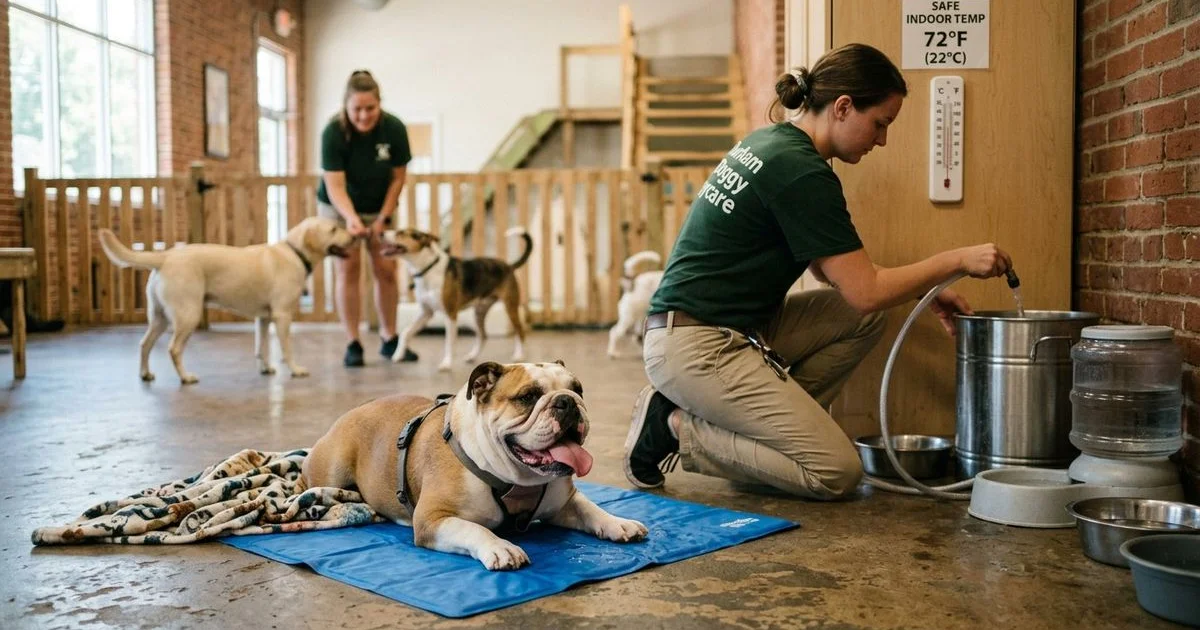
- Climate-controlled indoor play areas maintained at a comfortable temperature throughout the day.
- Supervised outdoor time limited exclusively to early morning and late evening during peak summer months.
- Constant fresh water access with bowls monitored and refilled continuously.
- Staff training focused specifically on recognizing and responding to early heat-related symptoms.
- Adjusted activity levels during heat waves, introducing much calmer enrichment activities.
- Individual monitoring designed for brachycephalic breeds, seniors, and high-risk dogs.
- 24/7 webcams provided so you can verify your dog is comfortable directly from your phone.
Emergency Cooling Procedure
If your dog shows early signs of heat exhaustion, you must act immediately to lower their internal body temperature.
- Move to a cool, shaded area or into an air-conditioned building immediately.
- Apply cool water directly to the neck, armpits, groin, and paw pads.
- Place cool, wet towels on these areas, but be sure to re-wet them every few minutes so they do not trap heat against the body.
- Point a fan directly at the dog to encourage rapid evaporative cooling.
- Offer small sips of cool water, but never force a dog to drink if they are resistant.
- Take a rectal temperature if you have a reliable thermometer available.
- Transport to a veterinarian even if the dog appears to recover quickly, as internal organ damage is not immediately apparent.
Do not use ice water or ice packs under any circumstances. Extreme cold causes surface blood vessels to constrict, which traps dangerous heat deep inside the body and worsens the internal temperature. Cool water and steady airflow provide the absolute safest cooling method.
Durham-Specific Summer Tips
The local geography and weather patterns present unique challenges for pet owners in the Triangle. Keep these regional factors in mind:
- Humidity is the hidden danger. A 90-degree day with 80 percent humidity is far more dangerous than a 95-degree day in a dry climate. The heavy moisture in the air completely prevents evaporative cooling through panting.
- Thunderstorm relief is temporary. Vacationing pet parents visiting the Triangle should note that afternoon thunderstorms drop the temperature briefly but cause humidity to spike immediately afterward. This creates a dangerous false sense of security.
- State park swimming restrictions. Hiking trails like Buckquarter Creek at Eno River State Park offer great shade. North Carolina State Park regulations strictly prohibit dogs from entering the designated swimming areas to cool off, so plan accordingly.
- Urban heat islands trap temperatures. Commercial areas around downtown Durham and South Square maintain much higher pavement temperatures than shaded residential neighborhoods with heavy tree cover.
Keep Your Dog Safe This Summer
Durham summers are entirely manageable with strong awareness, proper planning, and consistent precautions. Walk early and late, carry plenty of water, and heavily memorize the warning signs of heat exhaustion. Never underestimate how quickly a completely healthy dog can fall victim to North Carolina’s extreme heat and humidity.
If you are looking for a safe environment for your dog during the sweltering months, Dog Daycare Durham offers daily daycare at $38 per day at 600 Park Offices Drive, Suite 300. Our fully climate-controlled facility keeps the heat outside where it belongs. Call us at 919-617-0849 to schedule a free temperament test today.
Want the Best Care for Your Dog?
Schedule a free Interview Day and see why Durham pet parents trust our certified counselors.
Schedule Free Interview Day