We hear one common question from new clients walking through our doors at Dog Daycare Durham: how often should your dog go to daycare? A Durham pet parent quickly learns that finding the right schedule is a challenge almost every busy professional faces today. This decision impacts your dog’s happiness and your peace of mind during long shifts.
Our facility was founded on the premise that dogs need safe, structured enrichment, not just a holding pen. Proper socialization builds confidence and prevents destructive habits at home.
Let’s look at the latest veterinary data, what it actually means for your pet, and explore a few practical ways to build the perfect weekly routine.
Why Daycare Frequency Matters
According to a 2025 survey by SATELLAI, 61 percent of pet parents cite separation anxiety as their primary behavioral concern. These worries often lead to chewed furniture, excessive barking, or stress pacing while you are away. We know how hard it is to focus on work when you are worrying about a lonely pet at home.

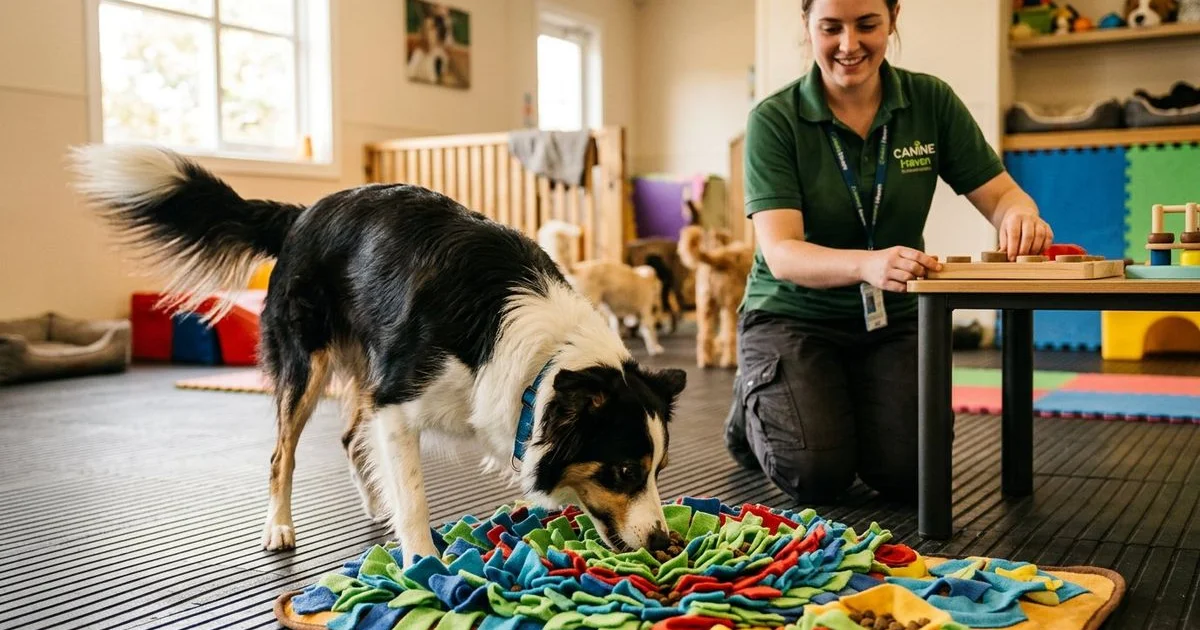
Dogs are naturally social creatures, but packing their schedule too full can backfire. Recent 2025 behavioral research shows that appropriate social exposure lowers cortisol, the canine stress hormone, while overstimulation can quickly reverse those benefits. Our certified counselors monitor these stress signals closely to ensure every pup stays relaxed.
Finding the exact right frequency brings massive benefits to your dog’s health. Signs your dog is hitting the sweet spot include:
- Sleeping soundly through the night without acting overly lethargic.
- Showing clear excitement when pulling into the daycare parking lot.
- Maintaining a healthy appetite after coming home.
- Displaying relaxed body language, like loose wags and soft eyes, during evening family time.
Factors That Determine the Ideal Schedule
Many variables play a role in finding the right balance for your pet. Veterinary professionals generally agree that two to four days per week is the ideal target for a healthy adult dog. We use this baseline to start conversations during every initial meet-and-greet.
Breed and Energy Level
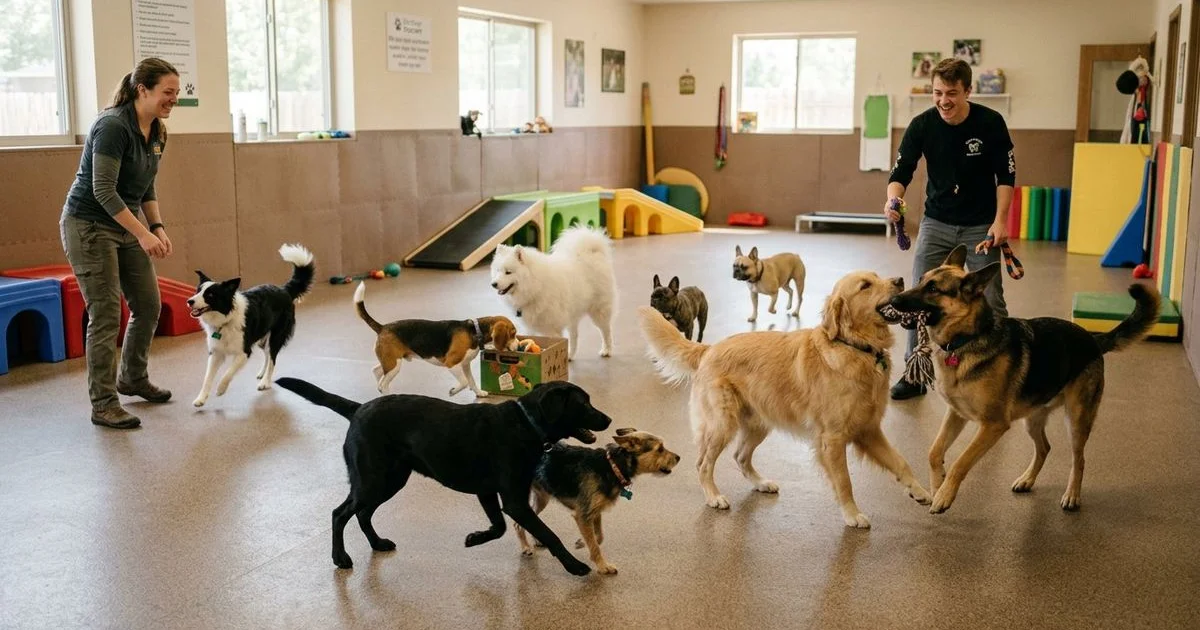
High-energy working breeds like Australian Shepherds, Border Collies, and Vizslas typically need three to five days of active play. These dogs were bred for endurance, and they develop behavioral issues rapidly without adequate physical outlets. Our play yards give them the space to run, sprint, and wrestle safely.
Medium-energy dogs, such as Beagles and Bulldogs, usually thrive on two to three visits per week. They enjoy socializing but definitely require dedicated rest days to recover on the couch. We often see lower-energy breeds, like Basset Hounds or senior dogs of any lineage, doing perfectly well with just one or two visits.
These gentler schedules keep them engaged without pushing their physical limits. A lighter routine ensures they stay happy and mobile. Our team always evaluates your dog’s unique traits before making a final recommendation.
Your Work Schedule
Commuting to Duke University, a Research Triangle Park tech office, or a local hospital often means your dog is alone for nine to ten hours. Leaving a dog isolated for that long creates significant stress for both of you. We understand why an April 2025 MetLife study found 44 percent of owners actually want “pet anxiety days” added to their corporate benefits.
Instead of taking a pay cut or stressing at your desk, three to five days of dog daycare provides a reliable solution. Remote workers face different challenges, as being home does not automatically equal active engagement. Our daycare environment allows remote workers’ dogs to practice vital social skills with other pups while the owner takes uninterrupted Zoom calls.

Even scheduling just two days a week makes a massive difference in burning off that pent-up energy. This dedicated playtime guarantees they will sleep peacefully at your feet during afternoon meetings. We see remote workers report much higher daily productivity when their dogs have an outside social outlet.
Age and Life Stage
Puppies between the ages of three and fourteen weeks are in their critical socialization window. Veterinary consensus states that positive exposure to new environments during this phase prevents fear-based aggression later in life. We highly recommend three to five short visits per week for puppies between four months and one year old.
This consistent routine teaches them how to read canine body language and follow essential social cues. Adult dogs between one and seven years old have much more flexibility, relying mostly on their breed characteristics to dictate their schedule. Our senior guests, typically aged seven and up, still crave connection but lack the stamina for marathon play sessions.
Flexible half-day schedules ensure these older companions enjoy gentle interaction without suffering from joint fatigue. This prevents soreness and keeps their aging minds sharp. We accommodate these varying needs by offering highly customized playgroups based on age and energy.
How Often Should Your Dog Go to Daycare? A Durham Pet Parent Guide to Schedules
Creating a visual breakdown helps simplify the decision process. These recommendations reflect the most common success stories from our facility over the past decade. We treat these guidelines as a starting point, not a strict rulebook.
| Dog Profile | Recommended Frequency | The Primary Benefit |
|---|---|---|
| High-Energy Breeds | 4 to 5 days per week | Provides necessary cardiovascular exercise and prevents destructive boredom. |
| Active Family Dogs | 3 to 4 days per week | Balances physical exertion with ample time to relax at home. |
| Moderate-Energy Pups | 2 to 3 days per week | Offers structured socialization while preventing physical overstimulation. |
| Senior or Low-Energy | 1 to 2 days per week (or half-days) | Delivers gentle mental enrichment without causing joint fatigue. |
| Growing Puppies | 3 to 5 days per week (shorter sessions) | Capitalizes on the critical socialization window to build lasting confidence. |
Every dog gets monitored closely by trained staff using a 24/7 webcam system. This technology allows you to check in and see the joy on your dog’s face. We will gladly help you adjust these days based on how your dog reacts to the playgroups.
The Durham Advantage
Living in Durham, NC, gives residents access to incredible outdoor spaces like the Eno River State Park and the American Tobacco Trail. Using weekday care perfectly complements those long weekend hiking adventures. Our extended operating hours, running from 6:30 AM to 7:30 PM, specifically support the schedules of local medical and university staff.
A nurse catching an early shift at Duke Health or a researcher working late in RTP never has to stress about pickup times. The median cost for daily pet care in this region hovers around $35 to $40, according to 2026 local market data. We provide all-inclusive pricing to ensure you never encounter hidden fees when upgrading your weekly package.

Consistent routines build happier lives for both pets and their parents. Knowing your exact monthly costs helps you budget effectively for long-term care. Our transparent billing process removes the guesswork from providing the best for your furry family member.
How to Get Started
The most effective way to establish your perfect routine is to schedule a professional temperament evaluation. Every new visitor goes through a comprehensive meet-and-greet session to assess their play style and comfort levels. We work directly with you to build a calendar that supports your lifestyle and your pet’s emotional health.
Duke PERQS partner members should always ask about active employee benefits during the enrollment process. Many professionals are thrilled to discover they already qualify for discounted local pet care services. Our team is ready to help whether you need high-energy play every weekday or just a few days of social time.
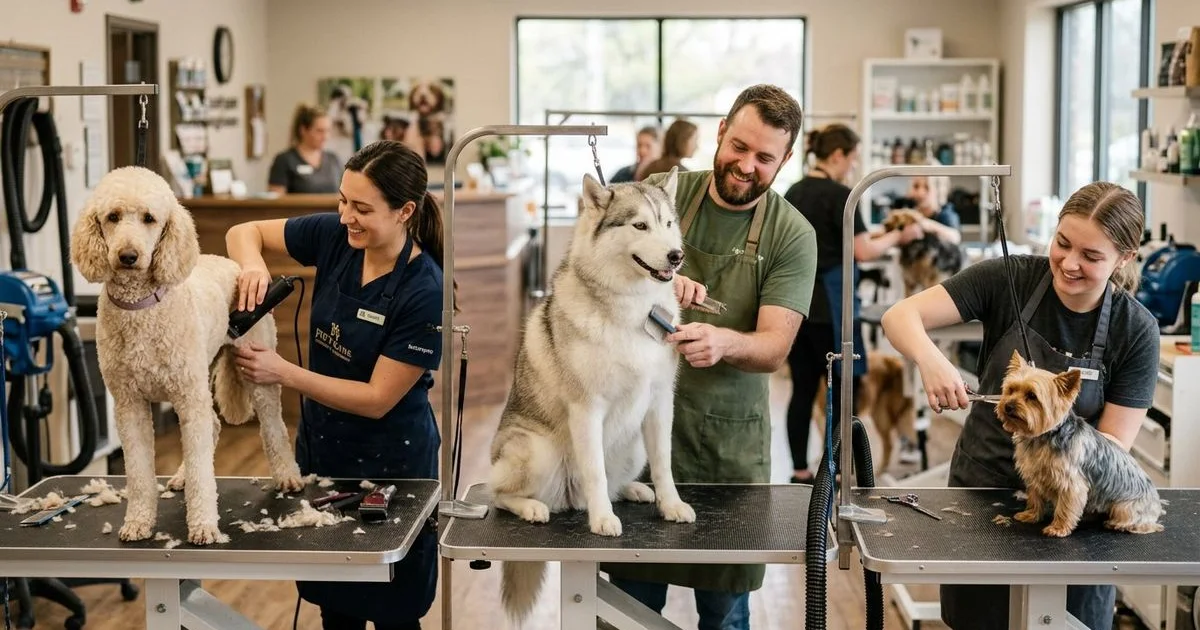
If you are still wondering, “how often should your dog go to daycare?” a Durham pet parent can simply call us to get started. You can explore our luxury boarding options for those times when work trips demand overnight care. Regular visits to our grooming services will also keep your pup looking and feeling great between playdates. We look forward to welcoming your dog into our pack very soon.
Want the Best Care for Your Dog?
Schedule a free Interview Day and see why Durham pet parents trust our certified counselors.
Schedule Free Interview Day