We know that balancing a demanding work schedule with a dog’s social life requires reliable childcare. The American Veterinary Medical Association estimates the United States pet dog population reached about 87.3 million in 2025, meaning interactions at parks and facilities are more frequent than ever.
Our team directly observes how this increased socialization makes canine infectious respiratory disease complex, commonly known as kennel cough, a widespread issue.
This highly contagious illness can quickly derail your vacation plans or busy workweek. We require Bordetella vaccination as a non-negotiable standard for every dog entering Dog Daycare Durham.
Strict vaccination protocols are simply the most effective defense for protecting a large dog population. Let us look at the data, what it actually means for your pet, and outline the exact prevention steps a smart owner should take.
Consider this your complete Kennel Cough in Dogs: Prevention, Symptoms, and Treatment Guide.
Understanding Kennel Cough in Dogs: Prevention, Symptoms, and Treatment Guide Basics
We define kennel cough formally as canine infectious tracheobronchitis. This respiratory infection causes inflammation of the trachea, the windpipe, and the airways leading to the lungs. Our experience shows that dogs do not need to be in a traditional kennel to contract it.
Any situation with close canine proximity can facilitate transmission.
The condition is typically caused by a combination of pathogens working together. We often see viral agents weaken a dog’s respiratory defenses first. Bacteria then take advantage of the compromised immune system to cause a severe infection.
- Bordetella bronchiseptica: The most common bacterial culprit attaches to the respiratory tract lining and damages the cells responsible for trapping pathogens.
- Canine parainfluenza virus: This virus weakens airway defenses to make secondary bacterial infections much more likely.
- Canine adenovirus type 2: A contributor to respiratory illness that is thankfully covered by the standard DHPP vaccine.
- Canine respiratory coronavirus: This specific pathogen is unrelated to human COVID-19 but plays a significant role in canine respiratory illness.
- Mycoplasma: These bacteria-like organisms frequently complicate and worsen existing respiratory symptoms.
How Kennel Cough Spreads
Our veterinary partners emphasize that kennel cough is incredibly contagious because it travels through the air. The incubation period usually lasts 3 to 10 days. This timeline means an infected dog can easily spread the illness at a daycare long before showing a single symptom.
We want to highlight that the Bordetella bacteria can actually survive on solid surfaces for up to 48 hours. This lingering threat is exactly why thorough cleaning protocols are vital in any multi-dog environment.
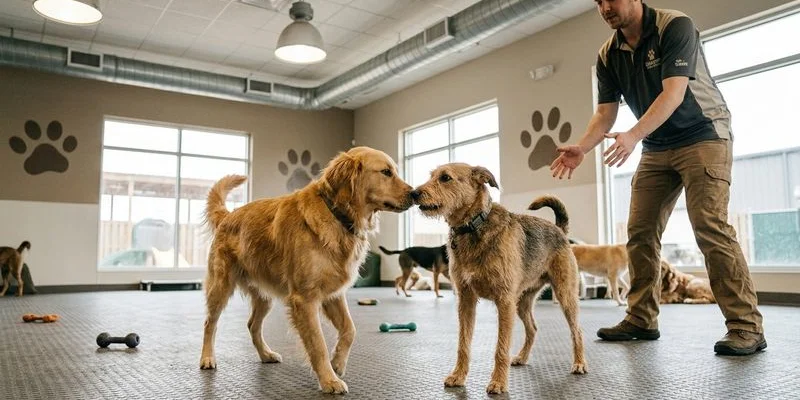
- Airborne droplets: Microscopic pathogens travel up to 20 feet when an infected dog coughs or sneezes.
- Direct contact: Shared water bowls and nose-to-nose greetings offer an easy path for the bacteria.
- Contaminated surfaces: The bacteria remain viable on toys, floors, and door handles for up to two full days.
- Post-recovery shedding: Recovered dogs can continue shedding the bacteria for two to three months, making vaccination crucial for the surrounding pack.
Symptoms to Watch For
We categorize kennel cough symptoms based on their severity and the dog’s general health. Knowing the baseline signs allows you to act quickly and minimize your dog’s discomfort.
Classic Symptoms
Our staff trains to listen for a persistent, dry, hacking cough. The sound is highly distinct and closely resembles a loud goose honk.
- Retching or gagging: Forceful coughing often triggers a reflex that produces white foam.
- Runny nose: You will likely notice clear to slightly cloudy nasal discharge.
- Sneezing: Frequent sneezing frequently accompanies the primary cough.
- Watery eyes: Mild, clear eye discharge is a common secondary symptom.
Mild Cases
We see mild cases most often in healthy adult dogs with strong immune systems. The dog typically remains active and eats normally, feeling completely fine aside from the annoying cough. These straightforward cases generally resolve on their own within one to three weeks.
Severe Cases
Our concern grows significantly for puppies, senior dogs, and brachycephalic breeds like French Bulldogs. These vulnerable dogs face a much higher risk of developing severe complications like pneumonia.
Seek immediate veterinary care if you observe any of the following warning signs:
- Lethargy and loss of appetite
- Fever: A rectal temperature rising above 103 degrees Fahrenheit requires urgent attention.
- Thick, colored nasal discharge: Yellow or green mucus strongly indicates a secondary bacterial infection.
- Labored breathing: Any difficulty pulling in air is a medical emergency.
Treatment Options
We recommend consulting your veterinarian to determine the best course of action based on your dog’s specific symptoms.
Veterinary Treatment & Costs
Our clients often ask about the financial impact of a kennel cough diagnosis. Recent 2025 data from the American Veterinary Medical Association places the national average cost of a routine vet visit around $214 for dogs in the United States.
The total treatment cost for kennel cough typically ranges from $50 to $300, depending on required medications. Your local clinic may prescribe the following remedies:
- Cough suppressants: These medications provide comfort and allow an exhausted dog to rest.
- Anti-inflammatory drugs: Reducing airway swelling makes breathing significantly easier.
- Antibiotics: Vets utilize these specifically to target the bacterial Bordetella component.
- Nebulization therapy: This advanced treatment delivers soothing moisture directly to the lungs of severely distressed dogs.
Home Care For Mild Cases
We advise strict rest for dogs recovering from mild infections at home. Physical excitement immediately triggers coughing fits.
A standard home care routine should include:
- Humidity: A humidifier or a 15-minute session in a steamy bathroom soothes irritated airways.
- Harness adjustment: Switch to a high-quality chest harness, like a Ruffwear model, to completely remove pressure from the sensitive trachea.
- Honey: Half a tablespoon of raw honey coats and comforts a sore throat (never give honey to puppies under one year old).
- Isolation: Keep the recovering dog entirely separate from other pets for at least 14 days after symptoms stop.
Recovery Timeline
We generally expect a healthy dog to kick the infection within three weeks. Complicated cases involving secondary infections might take up to six weeks for full respiratory recovery.
Prevention: The Bordetella Vaccine
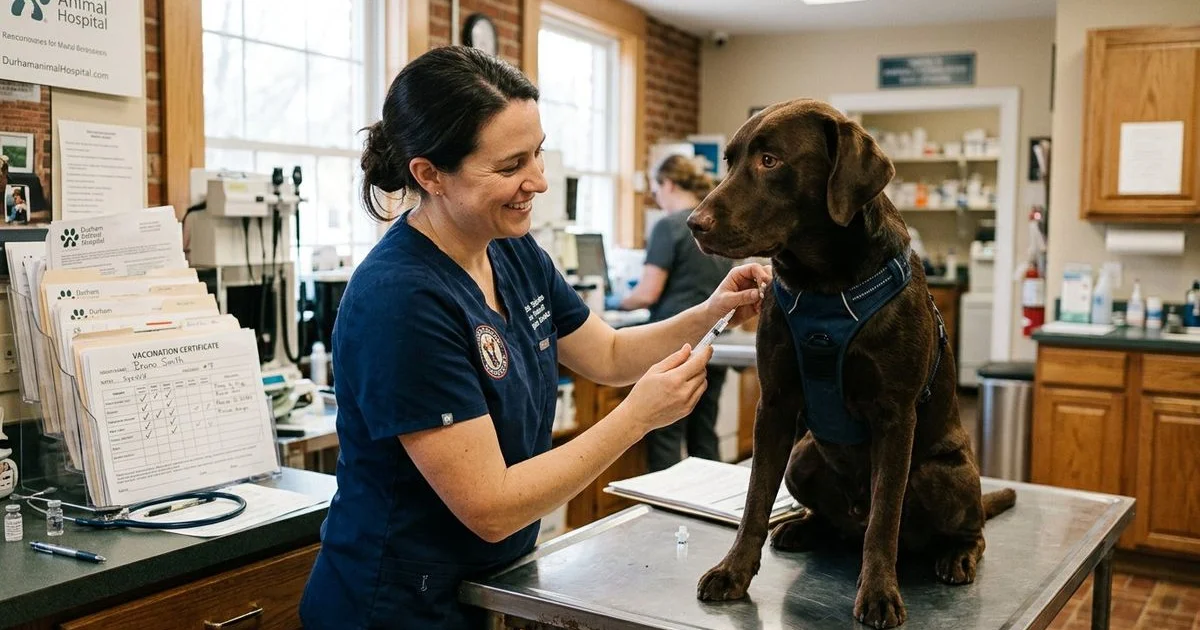
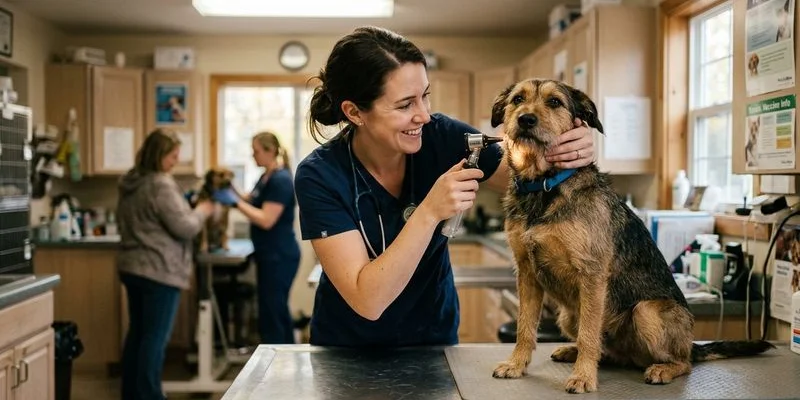
We consider the Bordetella vaccine to be the most critical defensive tool available to pet parents. The vaccine cannot provide complete immunity against every single respiratory virus. It does, however, drastically reduce the severity of symptoms and the total risk of a bacterial infection.
Vaccine Types and Onset
Our facility accepts three main forms of the Bordetella vaccine. The type your vet chooses will dictate how quickly your dog develops protective immunity.
Comparing the options reveals distinct timelines:
| Vaccine Type | Administration | Immunity Onset Time |
|---|---|---|
| Intranasal | Nasal drops | 48 to 72 hours |
| Oral | By mouth | 48 to 72 hours |
| Injectable | Subcutaneous shot | 7 to 14 days (requires booster) |
Vaccination Schedule Recommendations
We suggest working closely with your vet to maintain a proper booster schedule. Puppies can receive the intranasal drops as early as three to four weeks of age.
Adult dogs receiving the injectable version for the first time require an initial dose and a follow-up booster a few weeks later. Dogs attending daycare or boarding frequently should receive boosters every six months to maintain peak herd immunity.
Why Daycare and Boarding Facilities Require Bordetella
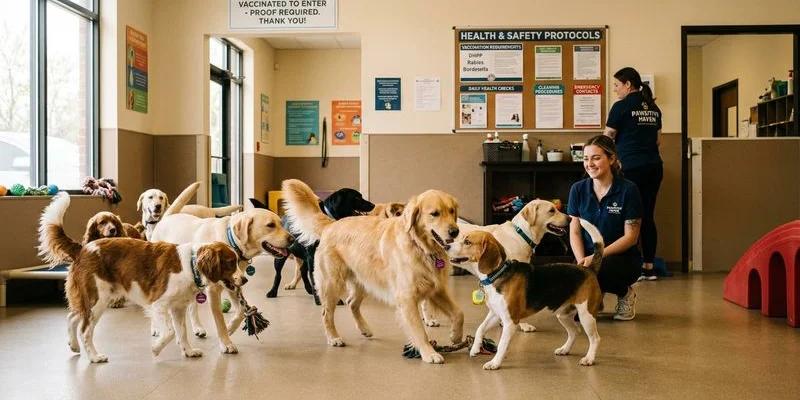
We firmly enforce these vaccination rules to guarantee the safety of every visiting pet. Dogs playing in groups share air space, touch noses, and wrestle mouth-to-mouth for hours at a time.
This close-quarters environment is exactly where a respiratory virus thrives. An unvaccinated dog actively shedding Bordetella could infect dozens of healthy playmates within a single afternoon.
Our mandatory policy establishes a strong wall of herd immunity across the entire facility. Outbreaks remain extremely rare and remarkably mild when the vast majority of the population carries active antibodies.
At Dog Daycare Durham, we require:
- Bordetella: Administered within the past 6 to 12 months, depending on the specific vaccine type.
- DHPP: Fully current to ensure protection against the parainfluenza contributor.
- Rabies: Required by strict North Carolina state law.
- Canine Influenza: Strongly recommended for all social dogs.
Please review our comprehensive vaccination requirements guide for complete details.
What to Do If Your Dog Gets Kennel Cough
We want you to stay calm if your fully vaccinated dog suddenly develops a hacking cough. No vaccine is flawless, but your dog is already equipped to fight off the worst of the infection.
Take these immediate steps to manage the situation:
- Isolate immediately: Remove the coughing dog from all group settings to protect the wider community.
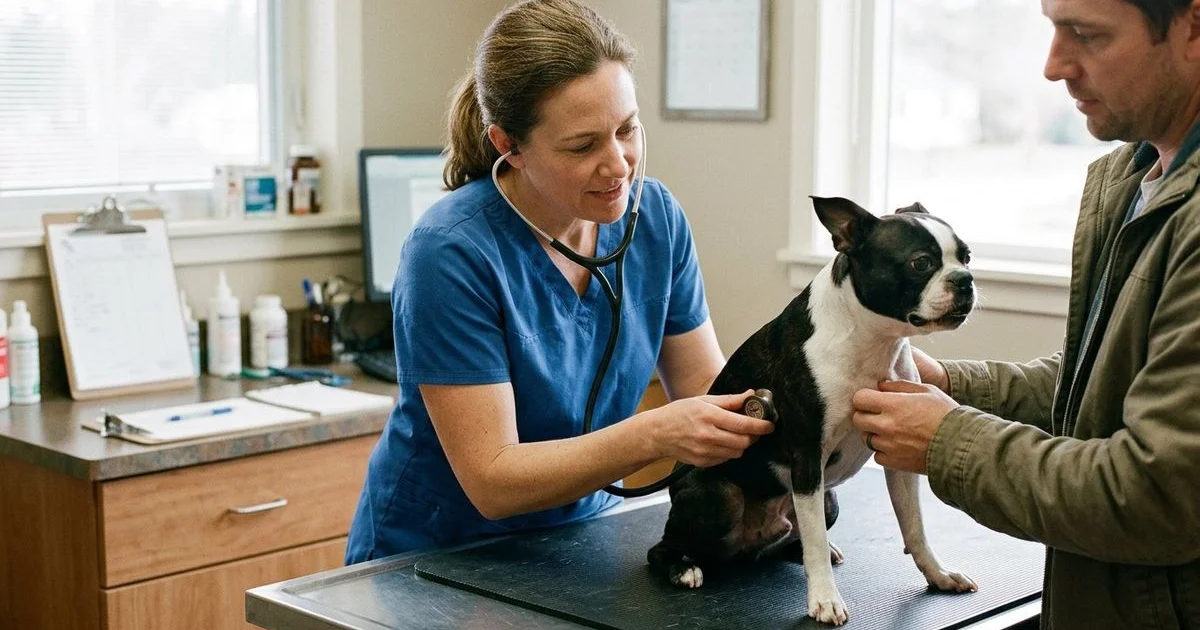
- Contact your vet: Schedule an exam to confirm the diagnosis and secure necessary medications.
- Notify the facility: Alert your daycare provider immediately so management can implement enhanced surface disinfection protocols.
- Follow the timeline: Keep your dog at home for a full 14 days after the very last cough subsides.
Protecting Your Dog and the Pack
We view this illness as a manageable reality of an active canine social life.
Busy professionals simply need to keep vaccines current, utilize harnesses, and select care facilities that prioritize rigorous health standards. Our commitment to strict entry requirements, daily deep cleaning, and comprehensive temperament testing ensures an exceptionally safe environment.
With a perfect 5.0 Google rating and over 15 years of operational excellence, Caprice McManus and the team stand ready to welcome your pet. Give us a call at 919-617-0849 or visit 600 Park Offices Drive, Suite 300, in Durham to schedule your dog’s free temperament evaluation today.
We hope this Kennel Cough in Dogs: Prevention, Symptoms, and Treatment Guide serves as a valuable resource for your family.
Want the Best Care for Your Dog?
Schedule a free Interview Day and see why Durham pet parents trust our certified counselors.
Schedule Free Interview Day